
10 Tips for Responsible Dog Ownership: How to Be a Good Dog Neighbor

How to Be a Good Dog Neighbor: Tips for Responsible Dog Ownership
Being a good dog neighbor is about more than just loving your furry friend—it’s about ensuring that your dog’s behavior and your actions positively contribute to your community. Whether you’re in an apartment complex or a suburban neighborhood, these tips can help you be a considerate and responsible dog owner, creating a safe and enjoyable environment for everyone.

1. Clean Up After Your Dog
One of the simplest ways to be a respectful dog owner is to always clean up after your dog. Dog waste isn’t just unpleasant; it can carry harmful bacteria and parasites that affect both humans and other pets.
Tips:
Carry waste bags whenever you’re out with your dog. Many areas provide bag dispensers, but it’s wise to bring your own just in case.
Dispose of waste properly. Toss bags in designated bins or take them home rather than leaving them behind in public spaces.
By cleaning up, you’re not only being considerate but also helping maintain a clean and healthy environment for everyone.
2. Respect Your Dog’s Leash and Off-Leash Zones
Leash laws are in place to keep both dogs and people safe. Always respect these rules, and make sure your dog is leashed unless you’re in a designated off-leash area.
Tips:
Use a sturdy, secure leash that gives you control without compromising your dog’s comfort.
In off-leash areas, make sure your dog responds reliably to commands like “come” and “stay” to prevent issues with other dogs or people.
Observe your dog’s behavior closely. Even in off-leash areas, your dog should be respectful and not harass other dogs or people.
By following leash laws, you’re helping to create a safe environment for both your dog and the community.
3. Keep Barking Under Control
Dogs naturally bark to communicate, but excessive barking can quickly become a nuisance to neighbors, especially in shared spaces or apartments.
Tips:
Identify triggers for your dog’s barking and work on desensitization or training methods to minimize it.
Provide enough exercise and mental stimulation to prevent boredom, which can lead to barking.
Consider crate training or designated quiet zones when you’re not home, so your dog has a calm space to relax.
A little extra attention to barking control can go a long way in maintaining peace with your neighbors.
4. Socialize Your Dog
A well-socialized dog is less likely to react negatively to new people, dogs, or situations. Socialization helps your dog feel comfortable around others and reduces the risk of confrontational or fearful behavior.
Tips:
Expose your dog to different environments, people, and dogs gradually, starting in safe, controlled settings.
Keep interactions positive by rewarding your dog with treats or praise when they handle new experiences well.
Know your dog’s limits—if they’re uncomfortable, don’t force interactions. Instead, gradually work on building confidence over time.
Well-socialized dogs are happier, more relaxed, and easier to manage in public spaces.
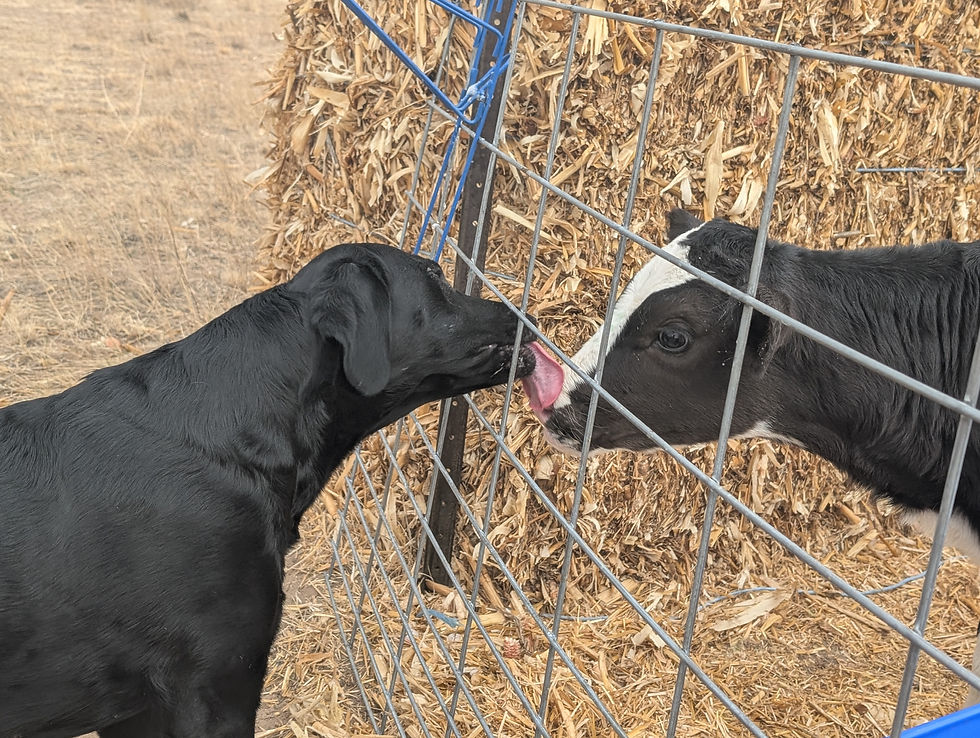
5. Respect Shared Spaces
If you live in a shared space or frequent public areas, be mindful of your dog’s behavior. This includes not only cleaning up but also making sure your dog is respectful and doesn’t infringe on others’ enjoyment of the space.
Tips:
Keep your dog from approaching people or other dogs without permission. Not everyone is comfortable around dogs, and some dogs may not react well to unfamiliar dogs.
Prevent your dog from digging or marking excessively, especially in community gardens or maintained landscapes.
Watch for signs of stress in other dogs or people, and be prepared to redirect your dog’s attention or move to another area if necessary.
Being courteous with shared spaces helps create a positive atmosphere for everyone.
6. Train Basic Commands
Training your dog with a few essential commands can make a world of difference in their behavior around others. Commands like “sit,” “stay,” and “leave it” are helpful in keeping your dog calm and under control.
Tips:
Practice basic commands at home regularly to reinforce good behavior.
Use positive reinforcement, like treats or praise, to encourage obedience and make training a fun experience for your dog.
Train in various environments so your dog understands commands even with distractions.
A well-trained dog is less likely to cause disruptions and will respond quickly in situations where control is needed.
7. Be Considerate of Other Pets and People
Dogs are friendly by nature, but it’s essential to remember that not everyone is comfortable around dogs, and some pets may not react well to a new dog’s presence.
Tips:
Always ask permission before allowing your dog to approach someone else’s pet.
Keep interactions brief with other dogs unless both parties are comfortable and have agreed to a longer playtime.
Respect others’ personal space and avoid letting your dog wander up to people who may be nervous around animals.
By being considerate, you show respect for others’ boundaries and help prevent any uncomfortable situations.
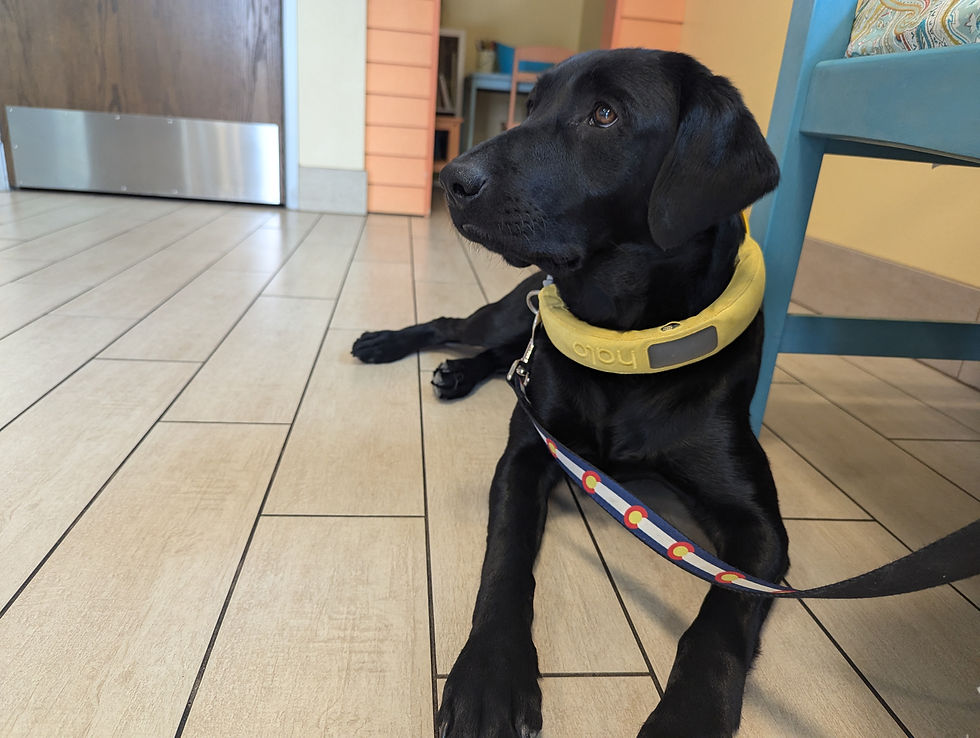
8. Prioritize Your Dog’s Health
A healthy dog is less likely to develop behavioral issues or spread diseases. By keeping up with your dog’s vaccinations, regular vet visits, and grooming, you contribute to a healthier community.
Tips:
Stay up-to-date on vaccinations to prevent your dog from contracting or spreading illnesses.
Practice flea and tick prevention, especially if your dog interacts with others in parks or shared spaces.
Groom your dog regularly to reduce shedding and ensure they’re comfortable, especially in warm weather.
A well-cared-for dog is a positive presence in any community, promoting the importance of responsible pet ownership.
9. Address Behavioral Issues Early
If your dog displays unwanted behaviors, such as aggression, leash pulling, or excessive jumping, it’s essential to address these issues as soon as possible. Behavioral problems, left unaddressed, can escalate and become challenging to manage.
Tips:
Seek professional help from a trainer or behaviorist if needed.
Practice training exercises daily, using positive reinforcement to encourage progress.
Be patient and consistent. Changing behavior takes time, but it’s well worth the effort for a happy, well-mannered dog.
A little proactive effort goes a long way in ensuring your dog remains a positive presence in the community.
10. Communicate with Your Neighbors
Finally, a great way to be a good dog neighbor is to communicate openly with those around you. Let neighbors know they can come to you with any concerns or questions about your dog. This openness fosters trust and helps you address any potential issues before they become problems.
Tips:
Introduce your dog to neighbors if they’re comfortable, helping them feel more at ease.
Be approachable and willing to discuss any concerns, such as noise or behavior issues.
Address feedback graciously—even if you don’t agree, listening can go a long way in building positive relationships.
In Summary: Being a Good Dog Neighbor
Being a good dog neighbor is all about respect, responsibility, and proactive care. From cleaning up after your dog to ensuring they’re well-socialized and trained, each of these actions helps create a friendly, welcoming environment. By being considerate of others and mindful of your dog’s behavior, you contribute positively to your community and set an excellent example of responsible pet ownership.


Comments